
女生怒撕港独标语
时评 | 把产业优势转化为县域消费优势_我的网站

A |
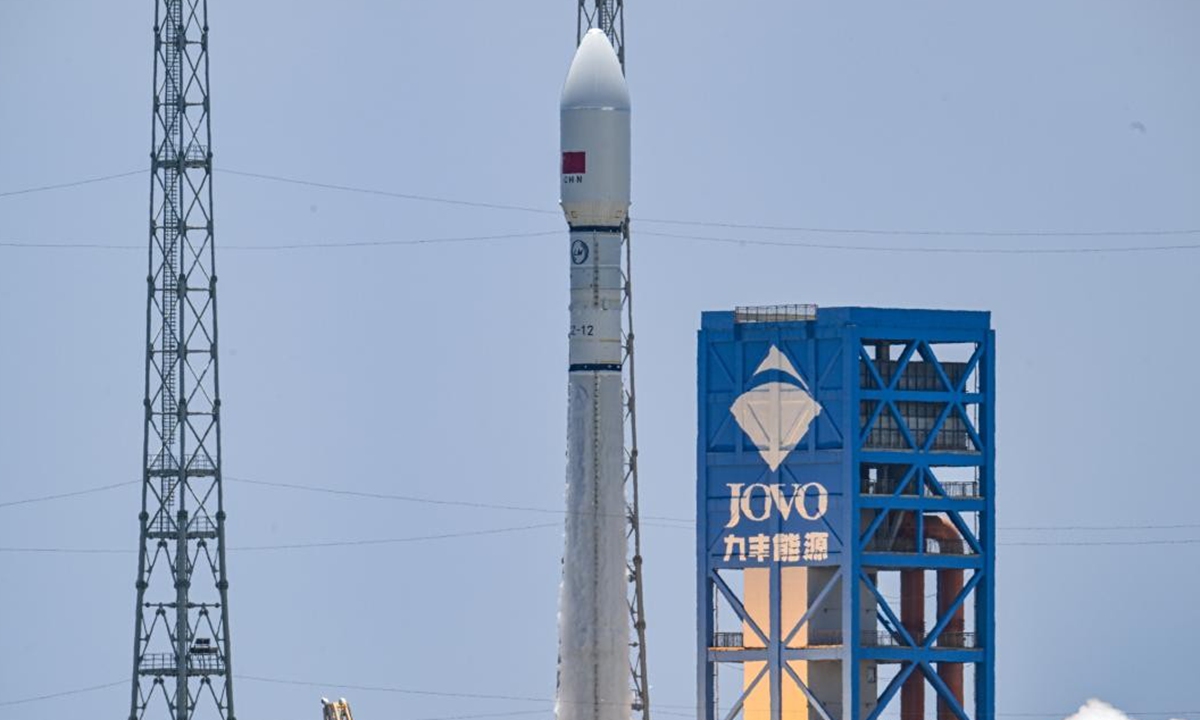
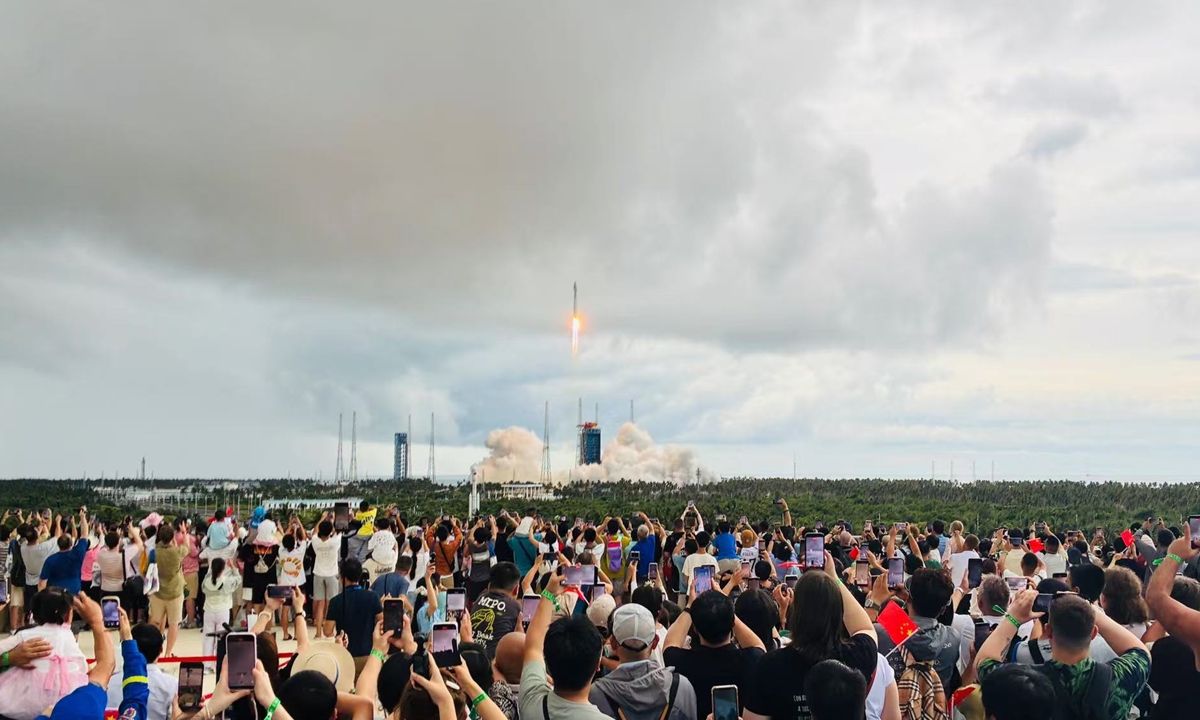
Two successful launches among China's recent frequent moves caught particular attention of space watchers - the 24th group of low-Earth orbit internet (LEO) satellites aboard a Long March-12 rocket was sent from a commercial spacecraft launch site in the southern island province of Hainan on Sunday, 12 days after the 23rd group of LEO satellites aboard a Long March-8A rocket was launched from the same Hainan site on August 4.
Sunday's mission marked the 663rd launch of the Long March series of carrier rockets, which on Monday sent an SEO satellite into preset orbit, per Xinhua.
Experts said the launches of two groups of LEO satellites within 12 days underlined that China is notably accelerating its pace of building its satellite internet constellation.
"The launch of LEO satellites has now entered a regular and cyclical rhythm, with batches of satellites continuously being sent into orbit at relatively stable intervals," Kang Guohua, a senior member of the Chinese Society of Astronautics and a professor of Aerospace Engineering at Nanjing University of Aeronautics and Astronautics, told the Global Times on Monday.
China launched the first group of LEO internet satellites on December 16, 2024, proceeding to the 24th batch in about 20 months. Kang said three major production and launch "assembly lines" are supporting the effort: satellite factories featuring centralized design in Beijing, coordinated supply chains and mass production; rockets with streamlined launch and testing procedures and multiple configurations; and launch sites capable of supporting routine constellation deployment.
The Long March-12, which played a key role in the latest LEO satellite launch, is China's first 4-meter-class single-core-stage carrier rocket and was specifically developed for commercial launch needs. It is about 62.6 meters long, has a liftoff mass of 430 tons and can carry more than 12 tons to low-Earth orbit. Its first stage is equipped with four 1,250-kilonewton pump-fed liquid oxygen-kerosene engines and uses a newly developed coal-based aerospace kerosene, according to Shanghai Academy of Spaceflight Technology.
The rocket adopts a "three-horizontal" launch preparation model: horizontal assembly, horizontal testing and horizontal transportation. Depending on mission requirements, it can use fairings with diameters of 4.2 or 5.2 meters and support both single-satellite and multi-satellite launches into different orbits.
"This flexibility makes the Long March-12 particularly suitable for the 'one rocket, multiple satellites' model required for constellation deployment, making it one of the main launch vehicles currently used for LEO constellation missions," Kang said.
The mission also highlighted the launch site's growing ability to support high-frequency launches. The rocket took only two and a half days from being transported to the launch area to liftoff, setting a record for the shortest time a rocket occupied the launch position at the site, Kang said.
Despite the rapid progress, experts cautioned that the 228 satellites currently in orbit remain some distance from the ultimate goal. China's satellite internet project has a long-term goal of deploying nearly 8,000 satellites and is now in an accelerated "weaving" phase.
China's advantage lies in its ability to control costs and boost production efficiency once satellite manufacturing reaches mass-production scale, another expert surnamed Liu told the Global Times.
"Whether it is the production capacity of AI centers or the factory in Hainan, which has an annual satellite manufacturing capacity of 1,000 units, satellite production itself is not the problem," Liu said. "More bottlenecks lie in the operational efficiency of launch pads and the rocket payload and recovery technology."
The real challenge lies in rocket reusability. Only by lowering launch costs and increasing launch frequency can China sustain a pace of more than one launch per week. This is also the strategic significance of accelerating the development of reusable rocket technology, including the Long March-10B and privately developed rockets, Kang further noted.
Chinese Academy of Engineering academician Deng Zhongliang previously said in an interview that satellite internet will serve as an indispensable space-time infrastructure for 6G, enabling emerging industries worth trillions of yuan, including the low-altitude economy, advanced autonomous driving and the Internet of Things (IoT).
。 AI摘要 商务部等9部门发文激发县域消费。福建将结合产业优势,推动“以产促消”,因地制宜引导沿海提质、山区特色发展,促进文旅商融合,把流量变留量,释放县域消费潜力,助推高质量发展。 《福建日报》2026年8月23日第01版 东南网8月23日讯(福建日报记者 马丹凤)县域一头连着城市,一头连着乡村,是畅通城乡经济循环的重要节点,也是释放消费潜力的重要空间。近日,商务部等9部门联合印发《关于进一步激发下沉市场活力 活跃县域消费的意见》,提出6方面18条举措,为释放县域消费潜力明确了路径。对福建而言,激活县域消费,是顺应消费升级趋势的主动选择,也是推动县域经济高质量发展的重要抓手。 细读《意见》,有几个信号值得把握。 县域消费正在从“买得到”迈向“买得好”“体验优”。随着互联网、物流体系不断完善,城乡消费边界逐步缩小,县域居民对品牌、品质、服务和消费体验提出了更高要求。

B | 《意见》提出推动县域商业业态创新和品牌打造、优化商品和服务供给,明确要求“同品同款商品城乡‘同质同享’”,正是回应消费升级趋势,纠正把下沉市场简单等同于低价市场的惯性思维。 激活县域消费,因地制宜、分类施策是关键。

C | 我国县域数量多、差异大,不同地方在人口规模、产业基础、资源禀赋等方面各有特点。商务部有关负责人明确,人口密集、经济实力强的县域重在“提质”和“引领”,基础较好的县域重在“固本挖潜”和“特色赋能”,人口较少、经济体量较小的县域重在“兜底”和“保障”。 县域消费的活跃,离不开发展基础的支撑。消费不是孤立的一环,产业兴起来、就业稳下来、居民收入增加,消费扩容才有坚实基础。《意见》提出增强消费保障能力、强化要素集成和营商环境建设,正是着眼于推动“增收—就业—产业—消费”形成良性循环,而非追求短期刺激。 激活县域消费,福建有底气。2025年福建全省千亿元县(市、区)总数攀升至19个,两成以上县(市、区)实现经济总量突破千亿元大关,晋江、福清等11个县(市、区)入选2025赛迪全国县域经济百强。

D | 但也要清醒地看到,福建山海之间差异明显,沿海强县与山区县在人口规模、商业配套、供给质量上落差犹存,激活县域消费不能用一把尺子量到底。 晋江2026年元旦春节促销费活动。图源:晋江经济报 以产促消,把产业链优势转化为消费底气。用好“四链”融合机制,进一步做强县域重点产业链,让产业工人和返乡创业人员在家门口稳定就业、安心消费。同时,让特色产业从生产端走向消费端。晋江鞋服、德化陶瓷、安溪茶产业等,不仅是产业名片,也可以成为消费场景。推动特色产业与商业、文旅、电商融合,让产品变商品、商品变体验、体验变消费,让地方品牌真正走进居民生活。 因地制宜、各展所长。福建山海相依,各地资源禀赋不同,激活消费的路径也应各具特色。沿海强县可以围绕产业优势提升消费品质,引入优质品牌、打造特色商业街区,让县域居民共享更多高品质消费选择;山区县域则可立足生态、文化资源,补齐流通短板,发展乡村旅游、休闲康养、特色农业消费,打造“小而美”的消费目的地。

E | 把“流量”变成“留量”。

F | 武夷山、福建土楼、茶文化、陶瓷文化等资源,不能只停留在观光层面,而要延伸到餐饮、住宿、购物、体验等环节,让“奔县”的流量真正转化为消费增量。同时,也要呵护县城烟火气,发挥老字号、小店、乡镇集市作用,让大品牌下沉与本地特色共生。 县域消费的活力,最终来自县域发展的活力。把《意见》的政策红利与福建产业优势、资源优势结合起来,八闽县域定能在扩内需、促共富的大局中走在前列,让城乡群众共享更有品质、更有尊严的消费体验。
Current article:http://www.cousizhegaobaolengkuo.bond/a5ev13/65bl.docx
Published on:09:20:30
我的网站最近更新
- 布莱顿队史卖人榜top10:巴莱巴以7590万欧列第二,仅次于凯塞多
- 食神AI 如何定义你家厨房?
- 今年前7个月山东经济运行总体平稳 全省城镇新增就业80万人
- 倍至水光精华系列全新上市 构建居家光电护理完整方案
- 江苏:到2028年全省生物医药产业规模、创新药械数量保持全国领先
- 福建行业协会发布倡议 推进网约配送员“友好场景”建设
- 法国总统马克龙再次允许法国军队前往乌克兰
- 配1.1米全景贯穿式星际屏!传祺越7将于9月2日开启预售
- Is the rapid growth of China’s emerging industries driven by industrial subsidies?: People’s Daily
- “中国罗非鱼之都”茂名前7个月罗非鱼出口同比增近五成,“中国罗非鱼之都”茂名前7个月罗非鱼出口同比增近五成
- 「偶然かもしれないけど…」りくりゅう“奇跡の1枚”に写り込んだ存在にも熱視線「ピッタリwww」
- フリーマン家に第4子がまもなく誕生「さて、男の子かな…それとも女の子かな?」長男のチャーリーくんがエコー写真持って笑顔
- 日本双线布局,加紧推进扩军外交
- 2026年全国生态日主场活动在内蒙古呼伦贝尔举办
- 国内首次!液体火箭发动机实现重复使用
- 福州地表水保护治理项目获中央补助
- 深圳华强北,成了欧洲人的快乐老家?
- 曼联球员第12次当选PFA赛季最佳球员,休斯、C罗各2次
- 布尔戈斯第四次执法西班牙国家德比,此前三战巴萨2胜1负占据上风
- 100 days to APEC: Shenzhen's green choices applauded
- PriceSeek提醒:8月前三周巴西大豆出口同比偏快
- 科学家逆向工程将Starlink作为定位卫星 精度最高可达1米
- 微软辩称SOCRadar夸大了BlueBleed错误存储配置的影响范围
- 苹果计划补贴老苹果手表用户
我的网站热门资讯
- B站将于1月26日举行一等奖颁奖仪式:选奥主任等。
- 小鹏发布“追光全景”抬头显示系统 首次搭载小鹏G7车型
- 鄱阳湖水域恢复105平方公里 太空卫星清晰可见
- 新华解码丨如何培育国家级零碳工厂、零碳算力设施
- 官方:2022-2023中国飞盘联赛8月6日西安开赛
- 美媒盛赞哈登无私耐心 骑士才得以拿下沃特森
- 夏季治安打击整治行动深入推进 全市公安机关开展夏夜治安巡查宣防集中统一行动
- 娃哈哈系新品牌林立,经销商四顾茫然
- CDN加速配置教程:Cloudflare和国内CDN对比
- 神十八“太空出差三人组”是如何选拔的?听一听总设计师的详细阐述
- SK海力士大跌!工会投票否决初步薪资协议 奖金发放方式引不满
- OPPO新机通过3C认证:支持80W快充,预计为Find X10系列
- 小米印度总监称赞中国的高速铁路:如果它在印度推出,城市间旅行将是一个新的。
- Inside Asia’s oldest private library, guarding ancient scrolls in the age of AI
- 普京准备好国宴,王外长启程出访,董军也动身,印尼全面押注中俄,扒拉文史,普京准备好国宴,王外长启程出访,董军也动身,印尼全面押注中俄
- 盐湖景区创新能力怎么样
- 江西省第六届“双品网购节”在昌启动
- Mexican court employees call 5-day strike to protest proposed funding cuts
- 拼多多发布Q2财报:“新十年高质量发展”迈向新阶段,长期主义驱动产业价值跃迁,拼多多发布Q2财报:“新十年高质量发展”迈向新阶段,长期主义驱动产业价值跃迁
- WHO: COVID Cases Have Tripled Across Europe as Hospitalizations Double
- 《上海市加快推进新型工业化构建现代化产业体系“十五五”规划》:推进高性能算力芯片、通用处理器芯片、存储芯片、互联芯片和智能传感器达到国际先进水平
- 一大批龙头企业集聚,引领人工智能产业浪潮 倒计时30天!第五届数贸盛会将在杭举办
- 注意!6月30日(下周一)起 北京市机动车尾号限行轮换
- 华为钱包更新电影票卡包功能,支持时间网络应用