进击的巨人
“三峡港湾城”巫山:打造世界级知名文化旅游目的地,“三峡港湾城”巫山:打造世界级知名文化旅游目的地_我的网站

A |

A visitor listens to dialects of various regions in Hunan at the Exhibition Hall of the Project for the Protection of Language Resources of China in Changsha, central China's Hunan Province, Aug. 24, 2026. A new exhibition hall dedicated to the preservation of China's diverse language resources opened on Monday in Changsha, capital of central China's Hunan Province, bringing a decade-long effort to document languages and dialects to the public through digital and interactive displays. The Exhibition Hall of the Project for the Protection of Language Resources of China, located in the Hunan Museum, brings together recordings and other language materials collected from more than 1,800 field survey sites across China, covering Chinese dialects, ethnic minority languages and related cultural traditions. (Xinhua/Xue Yuge)Putting on headphones at a new exhibition hall in central China, visitors can hear a chorus of voices from across the country, including regional dialects, traditional songs in ethnic minority languages and field recordings of languages on the verge of extinction.
The Exhibition Hall of the Project for the Protection of Language Resources of China opened Monday in Changsha, capital of central China's Hunan Province, bringing decade-long efforts to document languages and dialects to the public through digital and interactive displays.
Located in the Hunan Museum, the exhibition brings together recordings and other language materials collected from more than 1,800 field survey sites across China. More than 30 language-related cultural relics are also on display.
The recordings represent 10 major Chinese dialects and more than 100 ethnic minority languages, including Mongolian, Tibetan, Uygur and Zhuang, said Chen Xuliang, deputy Party secretary of the Hunan Museum.
"Digital technology is helping bring the results of language preservation research out of databases and into public cultural spaces," he said.
The exhibition draws on materials collected through a national language preservation project launched in 2015 to document and preserve the country's diverse languages and dialects. It is the world's largest project of its kind, according to experts.
Over the past decade, researchers have traveled to remote mountain villages and pastoral areas to find native speakers of different ages. They systematically recorded words, grammatical examples, oral traditions and other language materials, turning oral memories at risk of disappearing in digital records that can be preserved for generations.
The work has become increasingly urgent as the number of native speakers of some languages declines.
China is home to more than 100 languages and numerous dialects. Some languages, including Hezhen and Manchu, now have fewer than 100 speakers.
Economic integration, population mobility and the social changes they bring are making it increasingly difficult to preserve languages and cultural traditions around the world, said Wang Lining, a professor at Beijing Normal University's School of Chinese Language and Literature and a participant in the language preservation project.
Many languages lack well-developed writing systems, Wang said, meaning knowledge and memories passed down orally can be lost when their speakers die.
The new exhibition aims to bring such preservation work closer to the public. It also promotes the principles of the "Yuelu Proclamation," which was officially released in 2019 and described as UNESCO's first permanent document themed on the protection of linguistic diversity.
Experts attending the exhibition's opening said a key challenge is how to use artificial intelligence and digital museum technologies to turn vast collections of field recordings into cultural experiences the public can engage with.
For Wang, documenting endangered languages is only the beginning.
"In the past, the focus was on recording endangered languages and preserving samples of their voices," she said. "In the future, preservation needs to move toward keeping languages alive."
The exhibition hall, Wang said, is part of that shift, taking language resources beyond academic research and bringing them closer to everyday life.

People visit the Exhibition Hall of the Project for the Protection of Language Resources of China in Changsha, central China's Hunan Province, Aug. 24, 2026. A new exhibition hall dedicated to the preservation of China's diverse language resources opened on Monday in Changsha, capital of central China's Hunan Province, bringing a decade-long effort to document languages and dialects to the public through digital and interactive displays. The Exhibition Hall of the Project for the Protection of Language Resources of China, located in the Hunan Museum, brings together recordings and other language materials collected from more than 1,800 field survey sites across China, covering Chinese dialects, ethnic minority languages and related cultural traditions. (Xinhua/Xue Yuge)
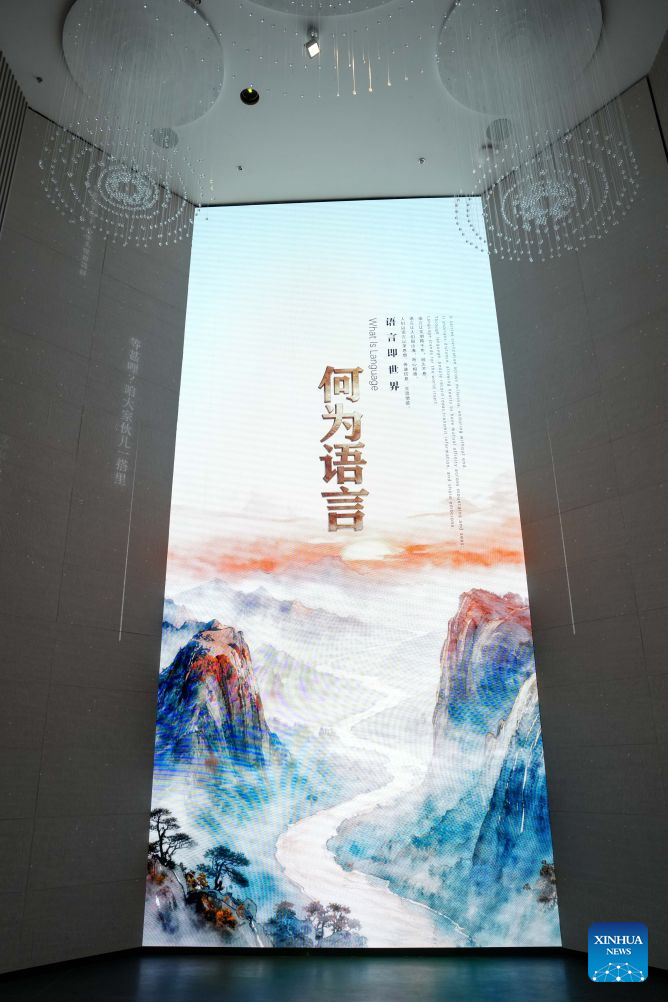
This photo taken on Aug. 24, 2026 shows an interior view of the Exhibition Hall of the Project for the Protection of Language Resources of China in Changsha, central China's Hunan Province. A new exhibition hall dedicated to the preservation of China's diverse language resources opened on Monday in Changsha, capital of central China's Hunan Province, bringing a decade-long effort to document languages and dialects to the public through digital and interactive displays. The Exhibition Hall of the Project for the Protection of Language Resources of China, located in the Hunan Museum, brings together recordings and other language materials collected from more than 1,800 field survey sites across China, covering Chinese dialects, ethnic minority languages and related cultural traditions. (Xinhua/Xue Yuge)
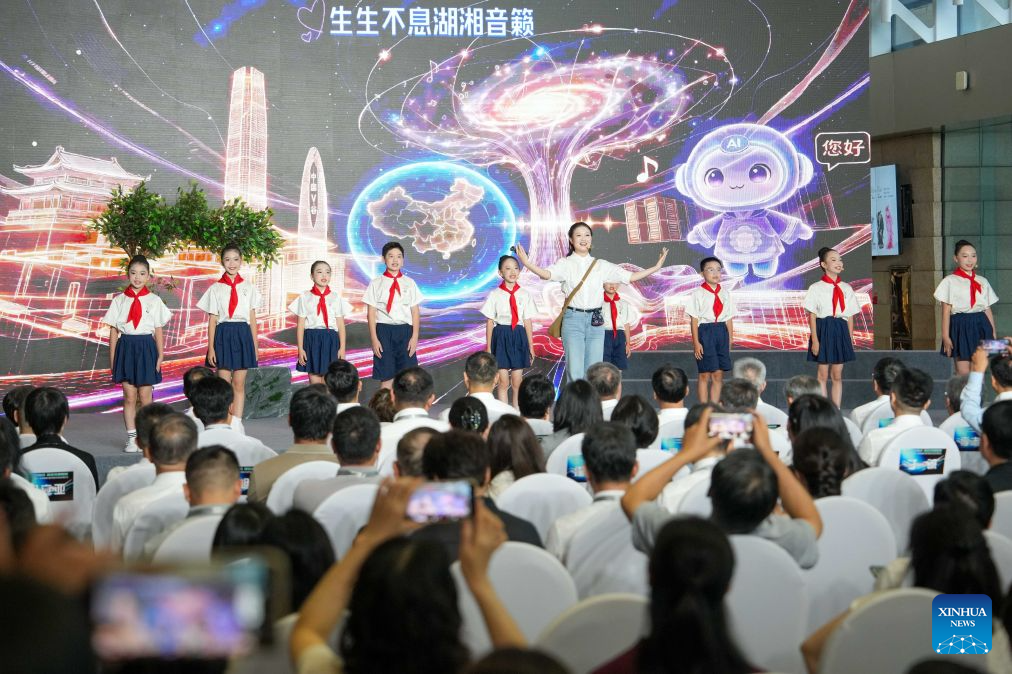
Children perform at the opening ceremony of the Exhibition Hall of the Project for the Protection of Language Resources of China in Changsha, central China's Hunan Province, Aug. 24, 2026. A new exhibition hall dedicated to the preservation of China's diverse language resources opened on Monday in Changsha, capital of central China's Hunan Province, bringing a decade-long effort to document languages and dialects to the public through digital and interactive displays. The Exhibition Hall of the Project for the Protection of Language Resources of China, located in the Hunan Museum, brings together recordings and other language materials collected from more than 1,800 field survey sites across China, covering Chinese dialects, ethnic minority languages and related cultural traditions. (Xinhua/Xue Yuge)
。 重庆8月21日电 (张旭)近年来,地处三峡库区腹心的巫山县因城市夜景、神女大扶梯等元素频频出圈。当地充分用好依山傍水的城市格局,建设“三峡港湾城”,发展文旅产业这一支柱产业,打造世界级知名文化旅游目的地。 重庆市政府新闻办21日举行新闻发布会,从会议现场获悉上述情况。 中共巫山县委副书记、县政府县长邓涛表示,近年来,巫山抢抓巴蜀文化旅游走廊、长江国家文化公园等重大战略机遇,着力构建文旅融合发展产品体系,文旅吸引力、影响力持续提升。2月17日,航拍夜色中的巫山神女大扶梯。(无人机照片) 记者 何蓬磊 摄 中共巫山县委书记刘本万也表示,文旅产业历来是巫山县委、县政府接续奋斗、持续打造形成的支柱产业。面向“十五五”,巫山将继续擦亮“城市名片”,建设三峡港湾城。 刘本万说,巫山的城市很有特色,可谓是“江在城中、城在山中”。未来,该县将充分用好依山傍水的城市格局,纵向打造以神女大扶梯为主轴的立体消费走廊,横向打造以“两江四岸”为载体的夜经济集聚区,建设独具特色的“8D魔幻”三峡港湾城。 在文旅产业未来发展上,邓涛介绍,该县将聚焦“融圈进群、串珠成链、旅居焕彩、数智赋能”,推动巫山文旅走出新步伐、再上新台阶。 巫山拥有小三峡·小小三峡首批国家5A级景区,正全力推动巫峡·神女景区创建国家5A级景区。邓涛表示,为“融圈进群”,打造更有格局的新品牌,巫山将以“双5A”景区为核心引擎,聚焦“壮美长江·诗画三峡”主题,打造水上游三峡、陆上游三峡等精品线路,培育飞阅三峡、徒步越野等特色产品,开通“巴蜀文化旅游走廊”旅游专列,携手四川巴中等地共织巴蜀红叶经济带,深度融入巴蜀文化旅游走廊建设。 为“串珠成链”,打造更有体系的新网络,巫山将做优巫峡·神女景区南北水陆环线,串联三峡龙脊、龙骨坡遗址等景区景点,做精小三峡·小小三峡东西水陆环线,联通大昌古镇、印象平河、云上竹贤等乡村旅游示范片,着力构建多节点、全覆盖、一体化的文旅产业集群。2023年10月26日,重庆巫山,清晨的阳光洒在长江江面上。(无人机照片) 记者 张浪 摄 为了让旅居焕彩,打造更有品质的新体验,巫山将继续丰富旅游住宿供给。

B | 一方面,巫山将在存量上做“加法”,进一步盘活县域闲置资产,引进知名酒店管理集团,培育建设一批商务酒店、连锁酒店,打造经济型酒店集群。另一方面,巫山将在增量上做“乘法”,依托“三峡院子”“目涯巫山”等特色民宿,带动发展帐篷酒店、自驾车营地、房车营地、家庭客栈等新兴住宿业态。 在数智赋能方面,巫山将围绕“吃、住、行、游、购、娱”等六大要素,加快打造三峡智旅综合应用场景,推出智慧导览,丰富VR云游、线上排队等便捷功能,提供在线预订、排队提醒、行李托运等便捷服务,切实让游客“一部手机·玩转巫山”。

C |
Current article:http://www.cousizhegaobaolengkuo.bond/fl2l/hu1oc.html
Published on:17:13:02


