古剑奇谭
매크로로 아이돌 티켓 싹쓸이…최고 273만 원에 되판 암표상 구속_我的网站

一 | AI 도움으로 캡차 뚫는 매크로 개발1700매 암표로 4억 2000만 원 챙겨울산경찰청, 30대 암표상 구속 송치 아이돌 콘서트 암표 판매로 부당이득을 챙긴 30대 피의자의 주거지에 고가의 주류 등 물품이 가득 쌓여 있는 모습. 울산경찰청 제공직접 개발한 매크로 프로그램으로 유명 아이돌 콘서트 티켓을 무더기로 사들인 뒤 최대 13배 폭리를 취한 30대 암표상이 구속 송치됐다.울산경찰청 사이버범죄수사대는 업무방해와 공연법·정보통신망법 위반 혐의로 A(35) 씨를 구속해 검찰에 송치했다고 26일 밝혔다.경찰에 따르면 A 씨는 2024년 11월부터 지난해 10월까지 국내 대형 티켓 예매사이트 3곳에서 외국인 명의 계정 1198개를 이용해 아이돌 콘서트 티켓 1700여 매를 사들였다. 이후 중고 거래 사이트에서 정가의 3배, 많게는 13배인 273만 원까지 받고 티켓을 되팔아 4억 2000여 만 원을 챙긴 혐의를 받는다.A 씨는 전자상거래업을 하며 습득한 컴퓨터 지식을 악용해 인공지능(AI)의 도움을 받아 예매처의 부정 구매 방지 조치를 우회하는 매크로 프로그램을 직접 만들했다. 이 프로그램으로 많게는 1분 만에 70~80매를 쓸어 담았고, 중고 거래 사이트에는 판매 글을 초단위로 게시하며 물량을 단숨에 사고팔았다. 매크로 암표상 피의자의 주거지 금고 안에 보관돼 있던 현금 다발. 경찰은 현장에서 2억 원을 압수 조치했다. 울산경찰청 제공 암표 판매 수익금으로 사들인 것으로 추정되는 피의자 주거지 내 명품 액세서리 상자 등 주요 압수물. 울산경찰청 제공경찰은 한국콘텐츠진흥원의 수사 의뢰를 받아 추적한 끝에 서울 자택에서 A 씨를 검거했다. 주거지 압수수색 과정에서 금고에 보관 중이던 현금 2억 원을 압수했고, 명품 시계와 귀금속, 고가 신발 등도 다수 확보했다. A 씨는 범죄 수익으로 산 수입 스포츠카를 몰고 다닌 것으로 조사됐다. 범죄 수익금 4억 2000만 원에 대해서는 기소 전 추징보전을 신청했다.경찰은 A 씨가 텔레그램을 통해 외국인 명의 계정을 1개당 3만 원에 사들인 사실과 특정인에게 반복적으로 송금한 정황을 포착, 공범이 있는지 수사를 확대하고 있다. 매크로가 카드 자동 결제 단계까지 뚫은 사실도 확인해 해당 카드사에 승인 절차 보완을 요청했다.울산경찰청 관계자는 “매크로를 이용한 암표 매매는 공정성을 해치고 막대한 피해를 양산하는 민생침해 범죄”라며 “오는 28일 개정 공연법 시행으로 매크로 사용 여부와 무관하게 부정 판매가 전면 금지되는 만큼 온라인 암표 단속을 더욱 강화하겠다”고 말했다.。
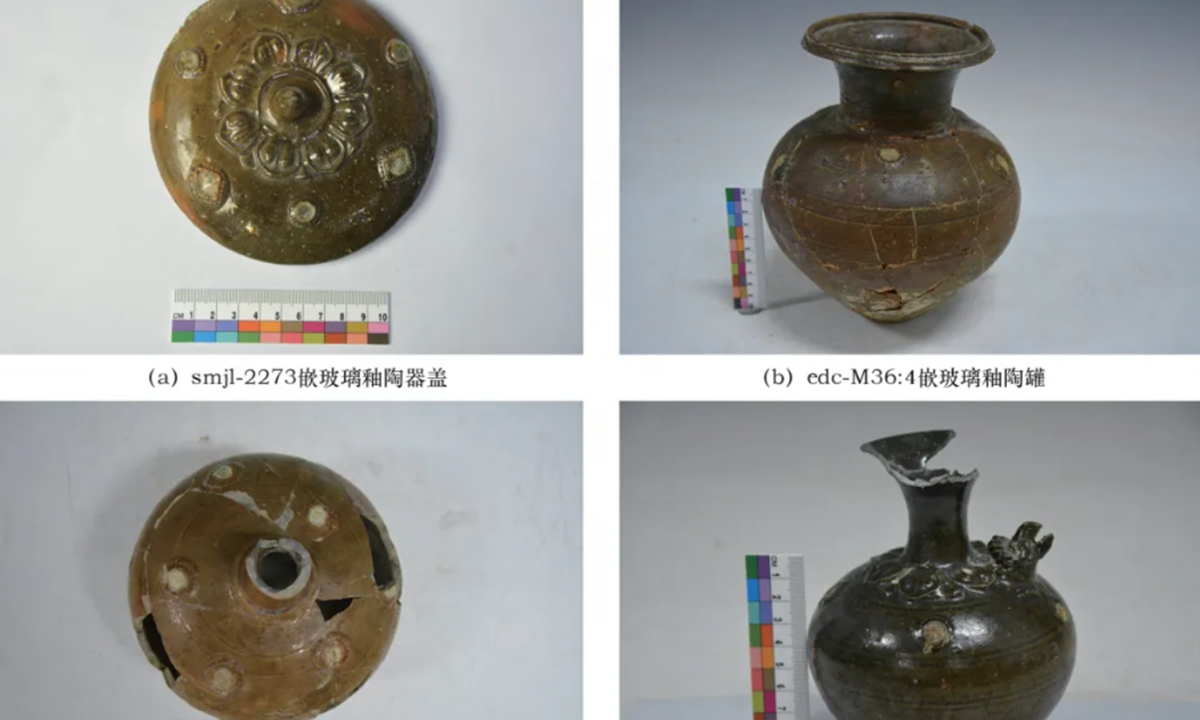
Samples of glazed pottery embedded with glass excavated from Northern Wei tombs in Pingcheng Photo: Courtesy of Shanxi Provincial Institute of ArchaeologyRare glass-inlaid glazed pottery artifacts unearthed from ancient tombs in Northwest China's Shanxi Province have provided new evidence of extensive cultural and trade exchanges between ancient China and other regions more than 1,500 years ago, according to a press release that the Shanxi Provincial Institute of Archaeology sent to the Global Times on Tuesday.
Systematic analysis conducted by the institute of pottery wares dating back to the Pingcheng period of the Northern Wei Dynasty (386-534) has identified distinct foreign cultural and technological elements embedded in the craftsmanship and material composition of the unique artifacts, shedding fresh light on ancient Eurasian cultural integration.
Established by the Tuoba Xianbei ethnic group, the Northern Wei Dynasty designated Pingcheng, present-day Datong city in Shanxi Province, as its capital from 398 to 494. For nearly a century, the city served as a pivotal multicultural hub where Xianbei nomadic culture, Central Plains Han culture and diverse Western Regions civilizations converged and interacted, according to a report on Chinanews.com.cn.
Archaeological excavations at multiple tomb clusters in Pingcheng, including the Dongxin Northern Wei cemetery and the Qilicun cemetery, have yielded a total of eight pieces of glass-inlaid glazed pottery. Though far fewer in number compared with common glazed pottery figurines and painted glazed wares, these artifacts feature an extremely rare inlay technique unseen elsewhere in the developmental history of Chinese ceramics, according to the press release.
Given the exceptional rarity and good preservation of the relics, researchers selected four representative pieces for comprehensive laboratory testing and material analysis. The results show that the glass inlays are primarily soda-alumina glass, most likely produced by remelting trade beads from the Indian Ocean and Pacific regions, a key commodity in ancient maritime and overland trade networks.
The findings confirm that Pingcheng maintained frequent cross-border trade and cultural communication during the Northern Wei era, with access to glass raw materials sourced from diverse overseas regions. The varied compositional characteristics of the inlaid glass provide crucial clues for studying ancient glass-making technologies, raw material circulation and long-distance trade routes in ancient East Asia, the press release noted.
Beyond material composition, the artifacts also embody prominent cross-cultural innovation in design. Their decorative motifs draw heavily on gem-encrusted gold and silver wares of the Sasanian Persian Empire, while integrating artistic elements from other Eurasian regions. The blended design styles reflect the era's prevailing trend of multicultural fusion and creative assimilation of foreign civilizations.
Archaeologists noted that the glass-inlaid glazed pottery represents an innovative technological achievement crafted by Northern Wei artisans who absorbed and refined foreign techniques and aesthetics. The distinctive craftsmanship and stylistic features of these wares exerted a far-reaching influence on ceramic production in surrounding regions and subsequent dynasties, marking a vital chapter in the evolution of ancient Chinese ceramic art.
The research underscores that ancient China's northern borderland was not an isolated cultural enclave, but an active node in Eurasian cultural and trade exchanges, where foreign elements were localized and innovated to form unique regional civilizational achievements, archaeologists from the Shanxi Provincial Institute of Archaeology said.
。
Current article:http://www.cousizhegaobaolengkuo.bond/nup14o7/ulq9v.htm
Published on:02:59:25


